
Signs of a Roach Infestation (2026 Guide)
Last updated: 2026-07-17
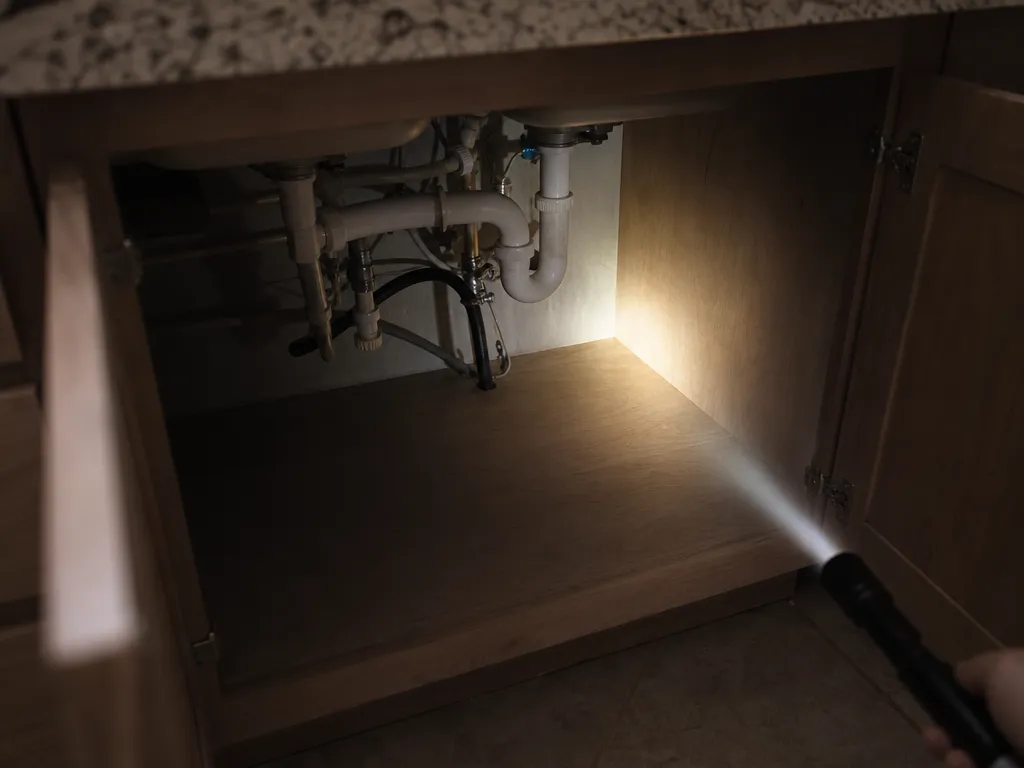
Roaches are nocturnal and stay hidden, so by the time you see one in the open the population is usually well established. The good news is they leave clear physical evidence. Knowing what droppings, egg cases, odor, and hiding spots to check lets you confirm an infestation early, before it spreads through the walls of a warm, humid Houston home.
Droppings: the most reliable early sign
Roach droppings are the first evidence most people find, and their appearance tells you the species and the severity. German cockroach droppings look like ground black pepper or coffee grounds: tiny dark specks, usually less than 1 mm, often smeared in trails or clustered in corners. Large “tree roaches” (American and smoky brown) leave bigger pellets with blunt ends and lengthwise ridges that resemble mouse droppings but are ridged, not smooth.
Where the specks concentrate marks the harborage. Look for dark peppering in the corners of cabinets, along the tops of drawers, behind the refrigerator, and under the sink. Because roaches produce and are drawn to aggregation pheromones in their own feces, droppings pile up heaviest right next to where they hide. According to Texas A&M AgriLife Extension entomologists (citybugs.tamu.edu), fecal spotting density is one of the most useful field indicators of where a colony is centered.
Egg cases (oothecae)
Finding brown, capsule-shaped egg cases means roaches are breeding, not just visiting. An ootheca is a hardened, purse-shaped capsule that holds the eggs. German roach cases are about 6 to 9 mm long, light to dark brown, and are carried by the female until 1 to 2 days before hatching, so you often find spent cases near harborage. American roach cases are darker and roughly 8 mm, glued to surfaces in hidden spots, sometimes near baseboards or behind appliances.
Each German case holds 30 to 48 eggs, which is why the population climbs so fast. Discarded egg cases in drawers, cabinet seams, or the corners of pantry shelves are a strong signal that you have an established breeding population, not a stray invader from the yard.
Odor
A musty, oily smell in the kitchen is a sign of a heavy, ongoing infestation. Cockroaches emit aggregation pheromones through their droppings and cuticle, and at high population densities these produce a distinct musty or faintly sweet, greasy odor. The smell often concentrates in enclosed spaces, cabinets, drawers, the space behind or beneath appliances, and it can persist even in spots where you never catch a live roach.
If a cabinet or drawer smells musty and you also see peppering, treat that as a confirmed harborage. Odor tends to appear later than droppings, so noticing it usually means the population has been building for a while.
Where to look: the highest-value hiding spots
Roaches cluster where they get warmth, moisture, and food within a few feet, so check appliances and plumbing first. Use a flashlight after dark, when they are active, and inspect these spots in order:
- Refrigerator hinges and motor compartment: the warm motor housing and condenser area at the base are prime German-roach harborage.
- Dishwasher: check the door gasket, the sides, and the space where it meets the cabinet; it offers heat, water, and food residue.
- Under and behind the sink: damp cabinet corners and the plumbing penetration through the wall are classic entry and harborage points.
- Behind and under the stove: grease and warmth make this a top spot; pull it out and check the back panel.
- Cabinet and drawer corners: look at the upper back corners and seams where droppings and egg cases collect.
- Small appliance motors: microwaves, coffee makers, and toasters left on counters can harbor roaches in the warm motor housing.
- Cracks and crevices: any gap around pipes, wiring, or trim wide enough to slip a business card is potential harborage.
Seeing live German roaches during the day is a red flag. Because they are strongly nocturnal, daytime activity usually means the hidden harborage is overcrowded and the population has outgrown its hiding space.
Smear marks, shed skins, and damage
Beyond droppings, roaches leave three other physical traces worth checking. In consistently damp, high-traffic areas, roaches can leave irregular brown smear marks where they rest against surfaces; these show up on walls and around pipe penetrations in heavy infestations. Shed skins (exuviae) are another sign: German roaches molt six to seven times as nymphs grow into adults, leaving pale, empty casings near harborage. Finding shed skins confirms roaches are not just present but actively growing and reproducing on site.
Roaches will also feed on and damage materials. They chew on food packaging, and in heavy infestations they will feed on the starch in book bindings, the glue on labels and cardboard, and even leave gnaw marks on food residue. Cardboard is a double signal: it is both a food source and prime harborage, so stacks of boxes under a sink or in a pantry are worth inspecting closely. None of these traces alone proves a large infestation, but combined with droppings, egg cases, or odor they build a clear picture of how established the population is.
Counting the severity
The number and timing of what you find tells you how bad the problem is. Light activity looks like a few droppings in one cabinet and no live sightings. A moderate infestation shows droppings in several locations, one or more egg cases, and occasional live roaches at night. A heavy infestation shows peppering across many surfaces, a musty odor, shed skins, and, the clearest red flag, live German roaches in daylight, which means the harborage is overcrowded and roaches are being forced into the open to find space and food.
Which roach do you have?
Matching the evidence to the species decides your whole treatment plan. Small tan roaches with pepper-like droppings in the kitchen point to a German infestation that breeds indoors. Large reddish-brown or mahogany roaches with bigger ridged droppings, especially ones that appear after rain or fly toward lights, point to tree roaches coming in from outside. The distinction changes everything about how you treat, which we cover in German roaches vs tree roaches in Houston.
Confirming the species also helps you judge severity: a single large tree roach may be one wanderer, while even a few German roaches signal many more hidden nearby.
Timing your sightings adds another clue. Tree roaches that appear right after heavy rain point to an outdoor population being flushed indoors, an exterior problem centered in mulch, gutters, or drains. German roaches that turn up regardless of weather, concentrated in the kitchen, point to an established indoor colony. Noting when and where you see roaches, not just that you see them, sharpens both the diagnosis and the treatment plan a professional will recommend.
What to do once you confirm signs
If you rent and the signs show up in more than one room — or your neighbors report the same thing — the fix works differently: see our guide to handling a roach infestation in an apartment, including how to notify your landlord in writing under Texas law.
If you find droppings, egg cases, or odor, act quickly, because German populations double fast and the protected egg cases keep hatching regardless of what you spray. Start by identifying the species and locating the harborage using the checklist above, then plan targeted treatment rather than broad spraying. Professional pricing depends on severity and species, and national ranges plus what a Houston job typically involves are on our cost page.
Ready to get it handled? The licensed companies in our Houston roach exterminator directory inspect to find the harborage before they treat, which is the step that separates a real fix from a temporary knockdown. Compare them, then request quotes and see full pricing on our cost page.
Frequently Asked Questions
- What does roach poop look like?
- German roach droppings look like ground black pepper or coffee grounds, tiny specks under 1 mm often smeared near cracks. Larger roaches leave blunt, ridged pellets that resemble mouse droppings. The dark specks stain surfaces and are a reliable early sign of activity.
- Do roaches have a smell?
- Yes. Heavy roach infestations produce a musty, oily, or slightly sweet odor from aggregation pheromones in their droppings and secretions. The smell grows stronger as the population climbs and can linger in cabinets, drawers, and appliances even where you do not see live roaches.
- Does seeing one roach mean an infestation?
- One large tree roach may be a single wanderer from outside. But seeing a small German roach, especially in daylight, usually signals many more hidden nearby, because they are nocturnal and stay concealed. Daytime sightings often mean the harborage is overcrowded.
Dealing with this right now? See the top roach extermination companies in Houston and what treatment should cost.