
Apartment Roach Infestation: What Renters Can Do
Last updated: 2026-07-17
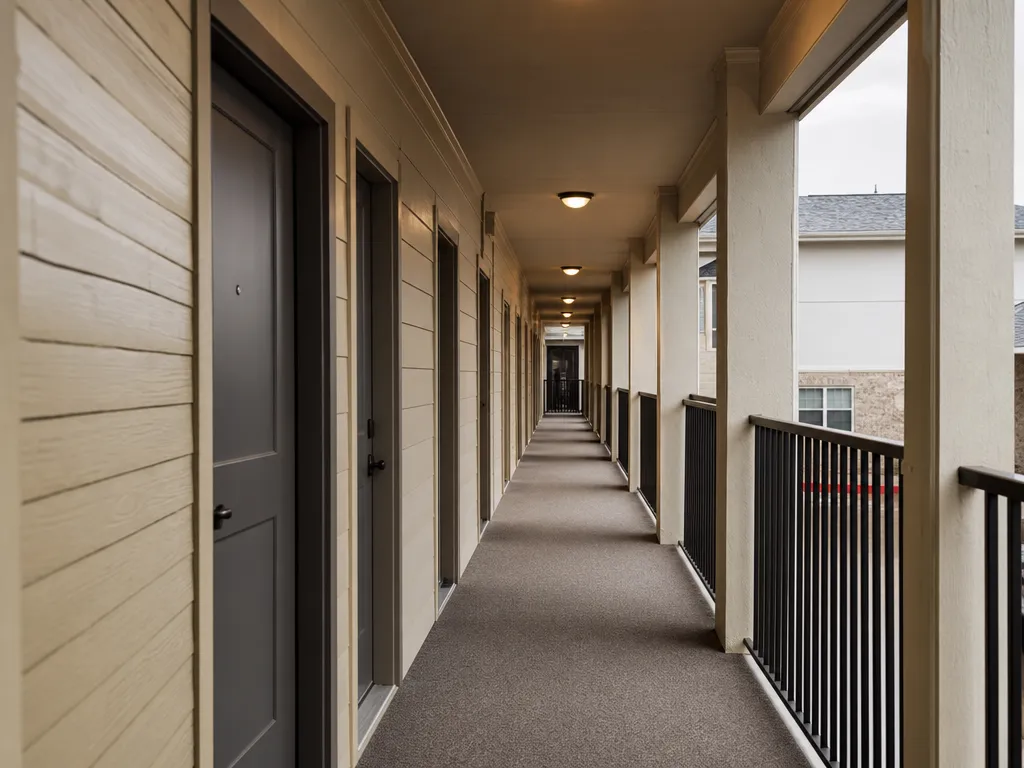
Roaches in an apartment are a different problem than roaches in a single-family home. In a multi-dwelling building, the pest is shared infrastructure: roaches travel between units through the walls and pipes that connect them. That means no tenant can solve the problem alone, and it makes coordination with the landlord and neighbors essential. Here is how apartment infestations actually spread and what renters in Texas can do.
Why apartments are different
In a multi-unit building, roaches move between apartments through shared voids, so an infestation is a building problem, not a single-unit problem. German cockroaches (Blattella germanica) travel along the hidden connections that link units: shared wall voids, plumbing chases, pipe penetrations, and electrical conduit. A roach living behind one tenant’s dishwasher can follow the plumbing to the unit next door or the one below.
This is why a spotless apartment can still have roaches. The population may be centered in a neighboring unit, and foragers simply travel to yours along pipes and outlets. Texas A&M AgriLife Extension notes that German cockroach management in multi-family housing must be building-wide because the insects readily move between adjoining units (citybugs.tamu.edu). Cleanliness in your own unit reduces the food supply, which helps, but it cannot stop migration from outside your walls.
How roaches migrate between units
Roaches follow the utilities, so the migration routes are predictable. The main pathways are:
- Plumbing chases: the vertical and horizontal spaces around water and drain pipes connect kitchens and bathrooms across units.
- Shared wall voids: the hollow space inside common walls lets roaches move sideways between neighbors.
- Electrical and cable penetrations: gaps around outlets, switches, and cable lines pass through walls into the next unit.
- Under sinks and behind appliances: the pipe penetrations here are both harborage and travel routes.
- Trash chutes and shared utility rooms: common areas act as roach highways and reservoirs.
When one unit is sprayed but neighbors are not, roaches often move away from the treated unit into adjacent ones, then return later. This scattering effect is the same reason repellent baseboard spray backfires, which we explain in roach gel bait vs spray.
Why the whole block needs treatment
Effective apartment roach control treats the affected unit plus every unit that touches it. Because roaches move through shared walls and pipes, professionals treat the infested apartment along with the units above, below, and on both sides, at minimum, so there is no untreated reservoir to re-invade from. In heavily infested buildings, management may need to treat entire floors or the whole structure.
This is where individual tenant action hits a wall. A renter can bait their own unit and keep it clean, but they cannot access or treat the neighbor’s apartment or the wall voids between them. That is why documented, coordinated treatment through the property manager is usually the only path to real elimination, and why the professional process matters, covered in how exterminators get rid of German roaches.
Texas renter rights (Property Code Chapter 92)
In Texas, landlords have a legal duty to repair conditions that materially affect health and safety, and a serious roach infestation can fall under that duty. Texas Property Code Chapter 92 (the residential landlord-tenant repair statute) generally requires a landlord to make a diligent effort to repair or remedy such a condition after the tenant gives proper notice. The typical process works like this:
- Give written notice. Notify the landlord or property manager in writing (keep a dated copy) describing the infestation. Requirements can depend on your lease and whether rent is current.
- Allow a reasonable time to repair. The landlord is generally entitled to a reasonable period to address the problem after receiving notice.
- Keep records. Document the infestation with dated photos, your written notices, and any responses. Written records matter if the issue escalates.
There are legal nuances, notice methods, timelines, and tenant remedies, that depend on your specific lease and situation. This is general information, not legal advice; for your rights in a particular dispute, consult the official Texas Property Code or a qualified attorney or tenant-assistance resource.
Documenting the problem the right way
Good documentation protects you and speeds up the fix. Before and during the process, build a simple record: dated photos of live roaches, droppings, and egg cases; copies of every written notice you send the landlord; and notes on dates and responses. If sticky monitors are used, photograph the counts over time. This record does two things: it establishes when you gave notice (which starts the landlord’s repair obligation under Texas Property Code Chapter 92) and it shows whether the problem is improving after treatment.
Documentation also helps the exterminator. Knowing which rooms and which times of day show the most activity, and whether neighbors report roaches too, helps a technician map the source and decide how wide the treatment block needs to be. In multi-family buildings, the source unit is frequently not the one complaining loudest, so activity notes across several units are genuinely useful diagnostic data.
Why DIY often makes apartment roaches worse
Aggressive DIY treatment in one unit can push the problem into a wider building problem. When a tenant sets off foggers or sprays repellent products heavily, German roaches do not simply die, they move, traveling through wall voids and pipe chases into neighboring units and returning later. In a building where units share infrastructure, one tenant’s fogger can seed a neighbor’s apartment. This is the opposite of what coordinated professional treatment does, which is to bait all connected units at once so there is nowhere for the population to retreat and rebuild.
The most useful thing a renter can do is not to out-treat the problem alone, but to report it promptly, keep their own unit clean and low on food and water, and cooperate fully when the professional treats. Combined building-level action beats any single-unit DIY effort.
What renters can do right now
While coordinating with your landlord, take the steps that are within your control to reduce the population in your unit. These help but do not replace building-wide treatment:
| Action | Why it helps |
|---|---|
| Report in writing immediately | Starts the landlord’s repair obligation and creates a record |
| Remove food and water access | Sealed food, clean dishes at night, fix leaks starves foragers |
| Seal accessible gaps | Caulk around your own pipes and outlet gaps to slow migration |
| Reduce clutter | Cardboard and paper are harborage; declutter cabinets and closets |
| Cooperate with the exterminator | Empty cabinets and prep as instructed so treatment reaches harborage |
Avoid heavy DIY spraying. Repellent foggers and baseboard sprays scatter German roaches deeper into shared walls, spreading the problem to neighbors and undermining the professional bait program.
Get a coordinated fix
An apartment roach problem is solved at the building level, not one unit at a time. Report it in writing to start your landlord’s repair duty under Texas Property Code Chapter 92, keep records, and push for treatment of your unit and its neighbors together. If you or your property manager need licensed help, the companies in our Houston roach exterminator directory handle multi-family work, and we are surveying them by phone for real quotes — pricing lands on our cost guide as calls complete. Compare them and see full pricing on our cost page.
Frequently Asked Questions
- Why do I have roaches even though my apartment is clean?
- German roaches migrate between units through shared wall voids, plumbing chases, and electrical lines. A clean apartment next to an infested one still gets roaches traveling along pipes and outlets. That is why individual-unit treatment often fails and building-wide or block treatment is usually required.
- Is my landlord responsible for roaches in Texas?
- Under Texas Property Code Chapter 92, landlords must repair conditions that materially affect a tenant's health or safety when properly notified in writing. A significant roach infestation can qualify. The tenant generally must give written notice and reasonable time to fix it. This is general information, not legal advice.
- Can one apartment be treated for roaches on its own?
- Usually not successfully. Because German roaches move through shared walls and pipes, treating a single unit while adjacent units stay untreated lets the population re-invade. Effective control treats the affected unit plus the neighboring units above, below, and beside it as a block.
Dealing with this right now? See the top roach extermination companies in Houston and what treatment should cost.