
How to Keep Roaches Out in a Humid Climate
Last updated: 2026-07-17
In a dry climate you can get away with sloppy prevention. On the Gulf Coast you cannot. Houston’s year-round humidity keeps outdoor roach populations large and gives indoor roaches the moisture they need to thrive, so keeping them out takes a deliberate routine. The good news: the methods that work are well established, and the popular gadgets that do not work are easy to skip.
Why humidity is the core problem
Roaches need moisture to survive, so a humid climate is doing half their work for them. Cockroaches lose body water quickly and are drawn to damp, humid conditions; smoky brown roaches in particular depend on high humidity and cannot tolerate dry environments for long. Houston’s subtropical climate supplies that moisture almost continuously, sustaining dense outdoor populations and making the interior more hospitable to any roach that gets in.
That is why moisture control is the single highest-value prevention lever in a humid climate. Reduce the water and you make both the inside and the immediate perimeter of your home hostile to roaches, regardless of species. Texas A&M AgriLife Extension prevention guidance (citybugs.tamu.edu) consistently ranks moisture reduction and exclusion above chemical treatment for long-term prevention.
It also explains why chemical-only approaches disappoint in Houston. You can bait and spray endlessly, but if the home stays damp and full of easy food, roaches keep finding the conditions they need. Prevention that removes moisture, food, and entry points does the heavy lifting; treatment then only has to mop up, rather than fight a home that is actively inviting roaches in.
Exclusion: seal them out
The most durable prevention is physically blocking entry, because a roach that cannot get in never becomes your problem. Work systematically around the home:
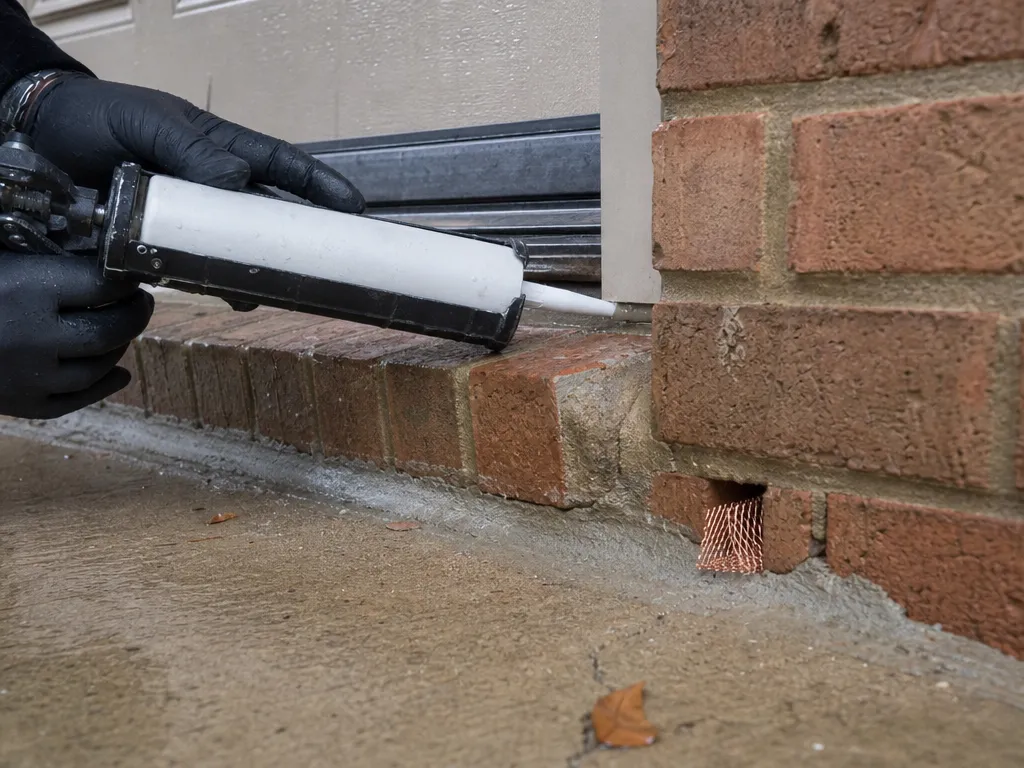
- Weep holes: screen the vertical gaps in brick veneer with stainless-steel weep-hole covers; they are the top entry route for large outdoor roaches.
- Doors: add door sweeps and weatherstripping to exterior and garage doors to close the gap at the bottom.
- Utility penetrations: caulk or pack copper mesh around pipes, cables, and AC lines where they pass through walls.
- Cracks and gaps: seal cracks in the foundation, gaps around windows, and openings behind baseboards.
- Vents and drains: screen vents, and keep seldom-used drains capped or filled so sewer roaches cannot climb in.
Exclusion also determines how well you weather Houston’s storms, when rain floods outdoor harborage and drives roaches toward the house in waves, a pattern detailed in roaches after rain in Houston.
Moisture control: dry them out
Cutting moisture removes the resource roaches cannot live without. Target both interior dampness and the perimeter:
- Fix leaks: repair dripping faucets, leaking traps under sinks, and running toilets; these are prime roach water sources.
- Lower humidity: run exhaust fans in bathrooms and the kitchen, use a dehumidifier in damp areas, and keep the home ventilated. Aim to keep indoor spaces from staying persistently damp.
- Eliminate standing water: empty pet bowls at night, dry the sink and tub, and clear condensation around AC units.
- Manage the perimeter: direct downspouts away from the foundation, clean gutters so they do not hold water, and thin mulch and pull it back from the wall so the foundation zone dries out.
Sanitation: cut off the food
Removing food and water access makes your home far less worth invading. Roaches need very little to survive, so consistency matters more than intensity:
| Habit | Why it works |
|---|---|
| Wash dishes / run dishwasher at night | Removes food and water during peak roach activity hours |
| Seal trash and empty it regularly | Eliminates a major food reservoir and odor attractant |
| Store food in sealed containers | Denies pantry food to foragers |
| Wipe grease and crumbs nightly | Removes the residue roaches feed on, especially near the stove |
| Declutter cardboard and paper | Removes harborage; roaches feed on glue and shelter in it |
Leaving dirty dishes in the sink overnight is one of the most common mistakes, because it hands roaches food and water during the exact hours they forage. Clearing the sink before bed closes that window.
What does not work: skip the myths
Do not waste money on ultrasonic repellers, they do not work. Independent and university testing has repeatedly shown ultrasonic pest-repelling devices are ineffective against cockroaches; they neither repel established roaches nor reduce populations. Other popular home remedies, bay leaves, cucumber peels, and scattered herbs, likewise have no meaningful effect on an infestation. They may make a space smell different, but roaches ignore them.
The practical rule: if a product promises to drive roaches out with sound, smell, or a plug-in gadget, treat it as marketing. The proven tools are exclusion, moisture control, sanitation, and, where needed, targeted gel bait with an insect growth regulator, compared in roach gel bait vs spray.
Seasonal prevention for the Gulf Coast
Prevention on the Gulf Coast has a calendar, because roach pressure shifts with the weather. In spring and summer, when heat and humidity peak and rains flood outdoor harborage, exterior defense matters most: this is the window to screen weep holes, clean gutters, thin mulch, and check door and garage seals before the big rains push outdoor roaches toward the house. In the transition to cooler months, roaches seek warmth and can move indoors, so interior sealing and sanitation carry more weight.
Because Houston rarely gets a hard freeze, outdoor roach populations do not collapse in winter the way they do in colder climates. That means prevention here is year-round rather than seasonal in the way northern homeowners experience it. Treating the perimeter and maintaining exclusion continuously, rather than reacting only when roaches appear, is what keeps a Gulf Coast home ahead of the pressure.
The order that gets the best results
If you can only do a few things, do them in the right order. Moisture control first, because it removes the resource roaches cannot live without and makes every other step more effective. Exclusion second, to physically block the roaches that the humidity keeps thriving outside. Sanitation third, maintained daily, to deny food and water inside. Targeted bait last, only where you have confirmed activity. Skipping straight to spraying, the most common instinct, is the least effective option and, with repellent products, can even make a German problem worse by scattering it. The proven sequence is prevention-first, treatment-last.
A maintenance routine that holds
Prevention in a humid climate is a routine, not a one-time project. Seal new gaps as they appear, keep gutters and downspouts clear, fix leaks promptly, hold the nightly sanitation habits, and re-screen weep holes and vents if covers fail. Done consistently, this keeps both German roaches and the large outdoor tree roaches from gaining a foothold.
If roaches keep returning despite a solid routine, that usually points to an established source, an outdoor harborage, a shared wall in an apartment, or a hidden interior colony, that needs professional treatment. The licensed companies in our Houston roach exterminator directory handle exclusion and targeted treatment, and we are surveying them by phone for real quotes — pricing lands on our cost guide as calls complete. Compare them and see full pricing on our cost page.
Frequently Asked Questions
- How do I keep roaches out of my house in a humid climate?
- Focus on three things: exclusion, moisture, and sanitation. Seal cracks, weep holes, and door gaps; fix leaks and lower indoor humidity; and remove food and water access by cleaning dishes at night and sealing trash. Humidity fuels roaches, so cutting moisture is the highest-value step.
- Do ultrasonic roach repellers work?
- No. Independent research, including university testing, has repeatedly found ultrasonic pest repellers ineffective against cockroaches. They do not drive out or reduce populations. Your money and effort are far better spent on sealing entry points, fixing moisture problems, and maintaining sanitation, which are proven to work.
- Does running the dishwasher at night keep roaches away?
- Indirectly, yes. Leaving dirty dishes in the sink overnight gives roaches an easy food and water source during their most active hours. Running the dishwasher or washing up before bed removes that food access, which is one of several sanitation steps that make a home far less attractive to roaches.
Dealing with this right now? See the top roach extermination companies in Houston and what treatment should cost.